

Every group, on one sheet.
Six material groups, each with the constructions, fibres and applications that come up in real enquiries. Use it as a checklist before you write to us — or send us the application and we will fill it in for you.
Constructions, not article numbers.
We do not run a warehouse catalogue with a price per metre. What is listed here are the constructions and fibres we source and consult on — the vocabulary of the enquiry. The concrete article, weight, width and finish are defined once we know what the part has to do. The sixth group is machinery: the lines that produce the other five.
If your material is not listed
The six groups cover the vocabulary of almost every enquiry that reaches this desk. If yours is not among them, describe the part instead of the fabric — it nearly always maps onto one of these constructions, and if it does not, we will say so.
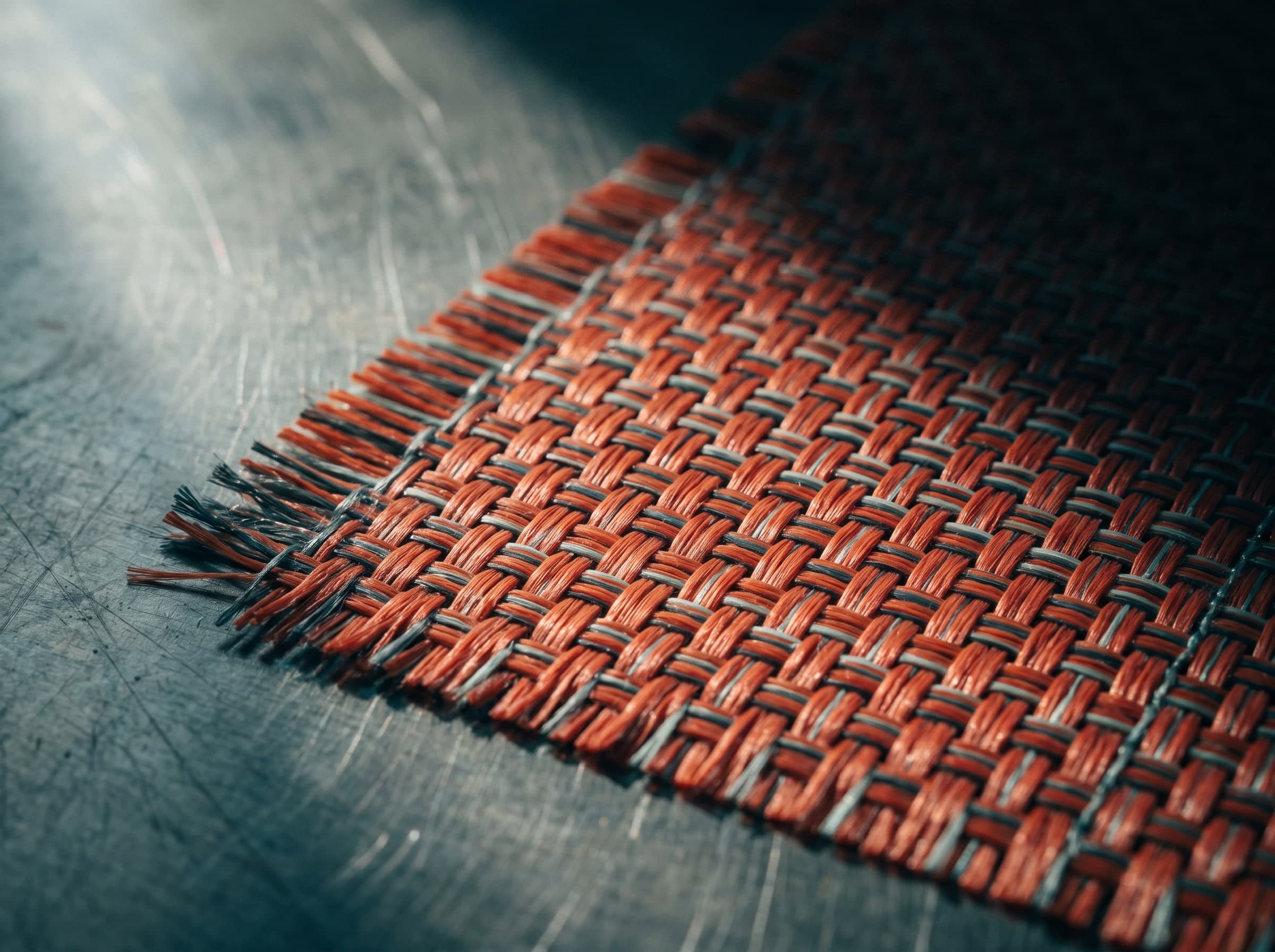
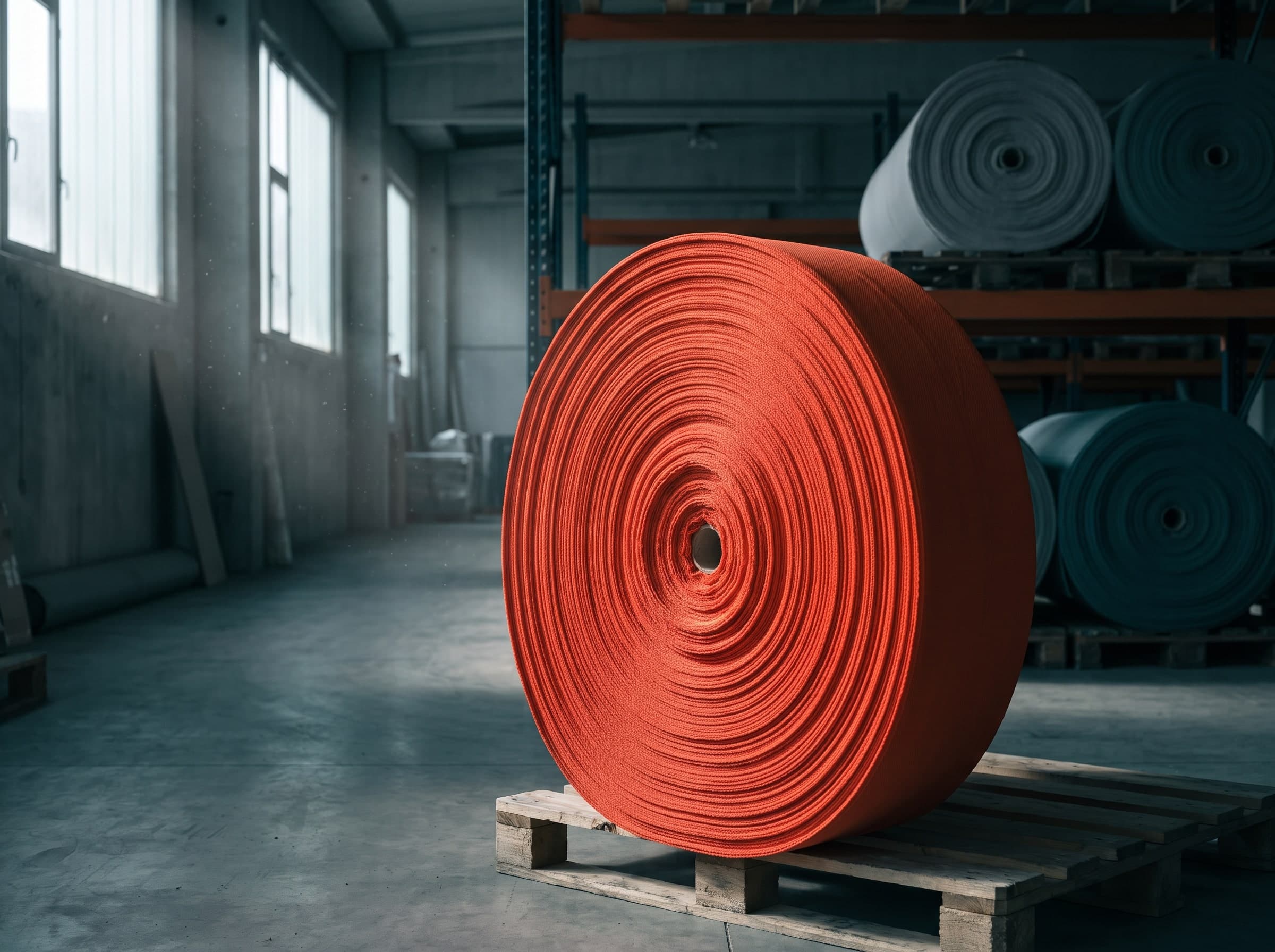
Illustrative images of the material group — not photographs of TT-BC stock.
Woven fabrics
Warp-and-weft constructions where strength, temperature resistance or dimensional stability decide — from a 40 g/m² scrim to a 900 g/m² conveyor base cloth.
Constructions
- Plain
- Twill 2/2
- Panama
- Ripstop
- Leno
- Multiaxial
Fibres & polymers
- Para-aramid
- Meta-aramid
- Glass
- PES HT
- PA 6.6 HT
- PTFE
- FR viscose blends
Typical applications
- Protective clothing and heat shields
- Coating and lamination base cloth
- Composite reinforcement
- Filtration and industrial cloth
- Automotive and interior
What TT-BC does here
We specify against your application — norm, load, temperature, chemistry — and match it to a mill that already runs that construction.
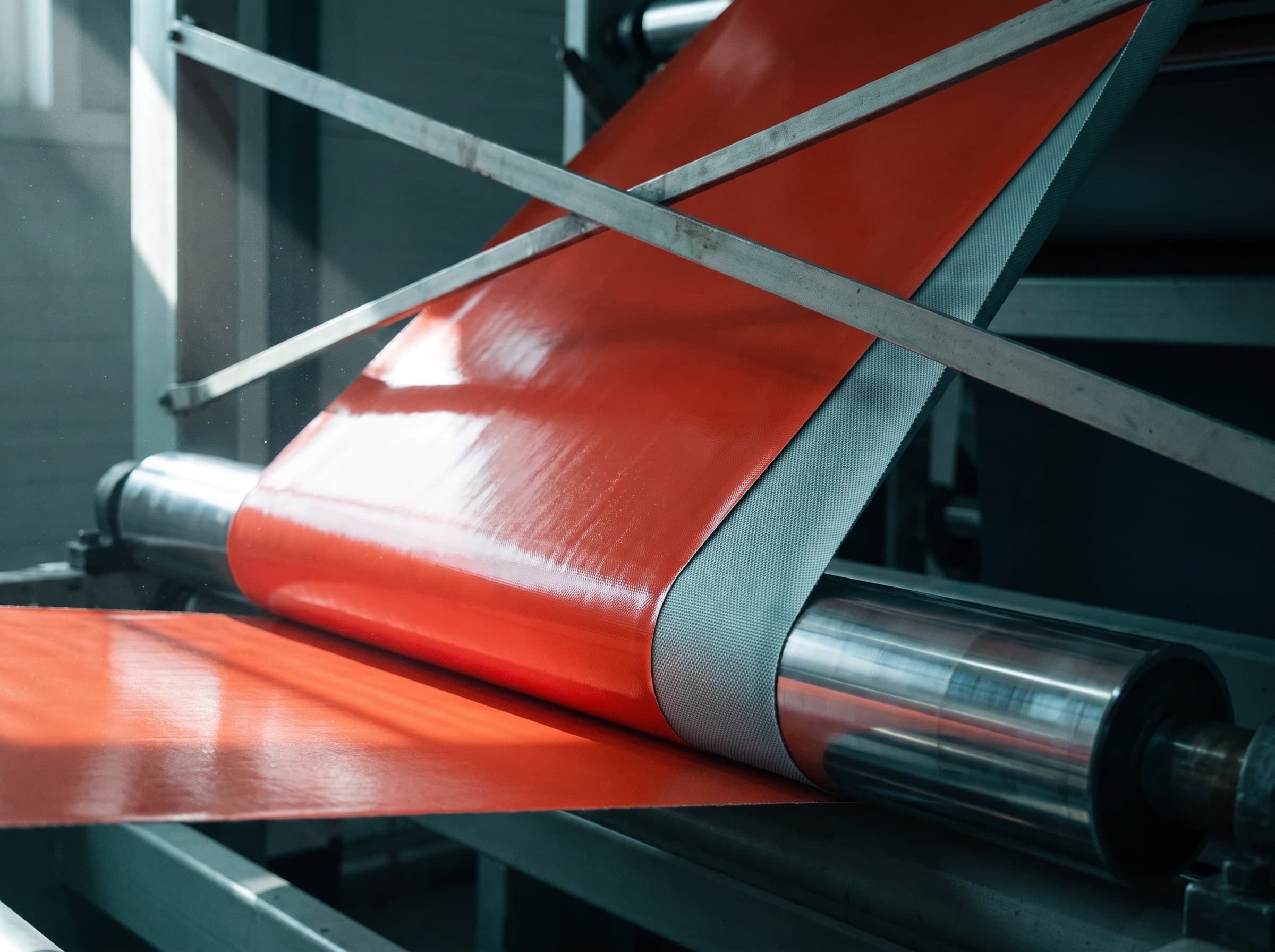
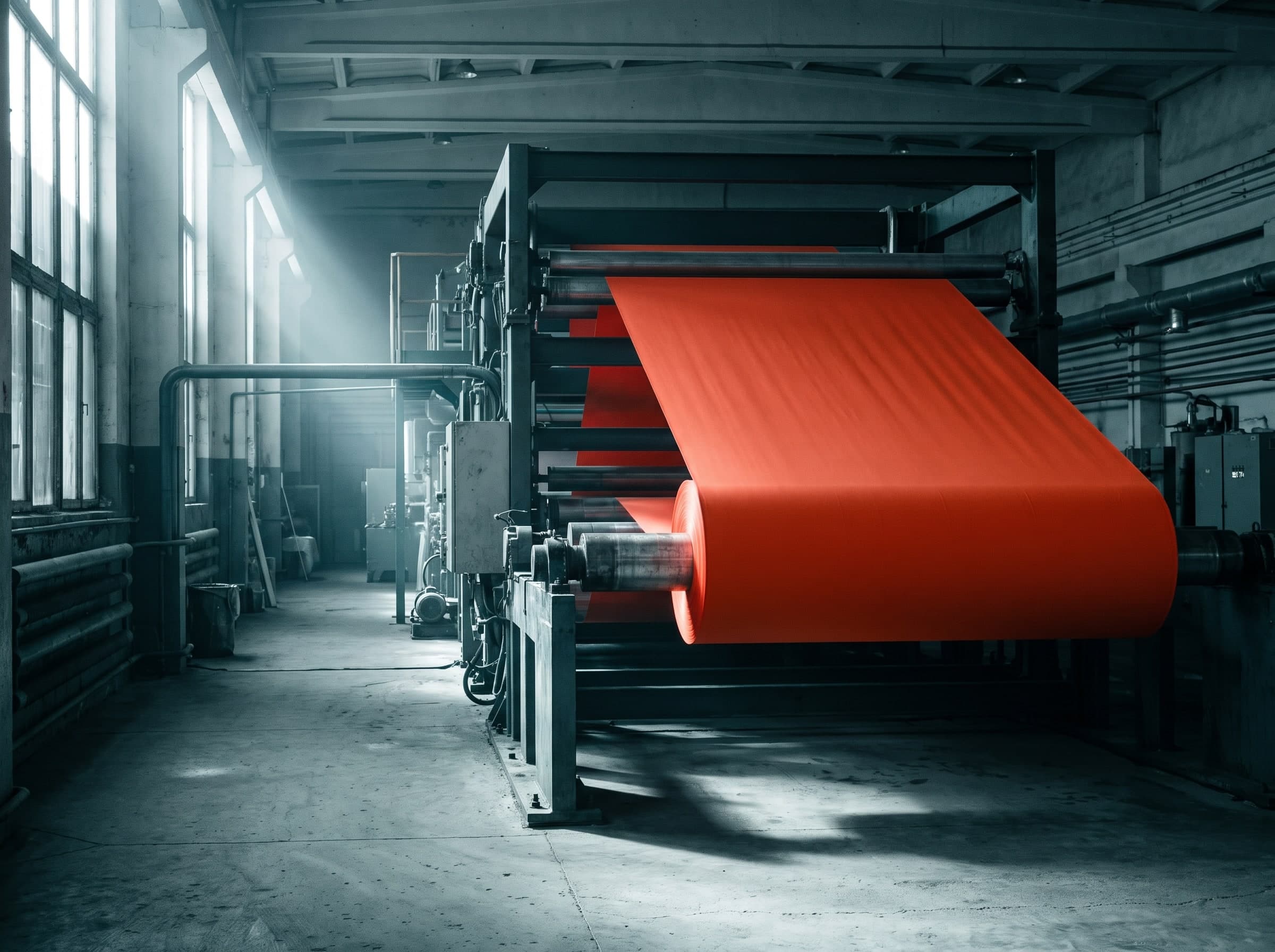
Illustrative images of the material group — not photographs of TT-BC stock.
Coated & laminated
Where the coating does the work: barrier, grip, flame retardance, weldability. Single- or double-sided, knife-over-roll, dip or calender, membrane laminates.
Constructions
- Knife-over-roll
- Dip coating
- Calendered
- Transfer coating
- Membrane lamination
- Flame lamination
Fibres & polymers
- PU
- PVC
- Silicone
- PTFE
- Acrylic
- TPU film
- ePTFE membrane
Typical applications
- Tarpaulins, tents and covers
- Conveyor and transmission belting
- Inflatables and airbag fabrics
- Chemical and weather protection
- Acoustic and sealing parts
What TT-BC does here
We take the finished part apart with you — layer by layer — and source the base cloth and the coater that can hold your tolerance.
Illustrative images of the material group — not photographs of TT-BC stock.
Nonwovens
Webs instead of weaves: engineered by fibre, laydown and bonding, priced by the square metre and won or lost on consistency.
Constructions
- Needle-punched
- Spunbond
- Meltblown
- Spunlace
- Thermobonded
- SMS composite
Fibres & polymers
- PP
- PES
- PA
- Viscose
- Glass
- Recycled PES
- Bicomponent
Typical applications
- Air and liquid filtration media
- Geotextiles and civil engineering
- Automotive interior and insulation
- Hygiene and medical converting
- Industrial wipes and carriers
What TT-BC does here
Filtration and geotextile projects live on test data — we ask for the test report before the first article, not after the claim.
Illustrative images of the material group — not photographs of TT-BC stock.
Webbing & narrow fabrics
Narrow, load-bearing and often safety-relevant. This is where breaking strength, elongation and certification matter more than the price per metre.
Constructions
- Flat webbing
- Tubular webbing
- Narrow tapes
- Elastics
- Braided sleeving
- Hook-and-loop
Fibres & polymers
- PES
- PA
- PP
- Para-aramid
- Dyneema-type HMPE
- Glass
Typical applications
- Lifting, lashing and load restraint
- Harnesses and fall protection
- Seat belts and restraint systems
- Cable protection and bundling
- PPE, military and workwear trims
What TT-BC does here
Safety-relevant webbing is sourced with the test certificate attached — and with a named producer, not an anonymous trader.
Illustrative images of the material group — not photographs of TT-BC stock.
Technical yarns
The upstream end of the chain. If the yarn is wrong, nothing downstream can fix it — and if the yarn is right, a lot downstream gets cheaper.
Constructions
- Filament
- Staple / spun
- Air-textured
- Twisted
- Sewing thread
- Core-spun
Fibres & polymers
- Para-aramid
- Meta-aramid
- Glass
- Basalt
- PES HT
- PA HT
- PP
- Recycled PES
Typical applications
- Weaving, knitting and braiding
- Industrial sewing threads
- Rope, cordage and netting
- Reinforcement and composites
- Hybrid and FR blends
What TT-BC does here
Yarn sourcing is a supply-chain job: titre, tenacity, finish, lot consistency and a second source before you need one.
Illustrative images of the material group — not photographs of TT-BC stock.
Textile machinery
Machines for technical textiles — new, used or rebuilt. Bought the way an engineer buys: with the process behind it, not just the datasheet.
Constructions
- Weaving
- Narrow-fabric looms
- Coating & laminating lines
- Needle-punch lines
- Winding & slitting
- Testing equipment
Condition & scope
- New
- Used
- Rebuilt
- Relocation
- Commissioning
- Spare parts
Typical applications
- Capacity extension for existing lines
- Entry into a new construction or width
- Line relocation and re-commissioning
- Spare-part and retrofit sourcing
- Pre-purchase technical assessment
What TT-BC does here
A machine is only worth what it produces on your fabric. We look at the process first and the asking price second.
Not in the list? Ask anyway.
Coated glass fabric, a hybrid yarn, a rebuilt narrow-fabric loom, a filter medium with a test report attached — if it belongs to the technical textile chain, it belongs in an enquiry.